
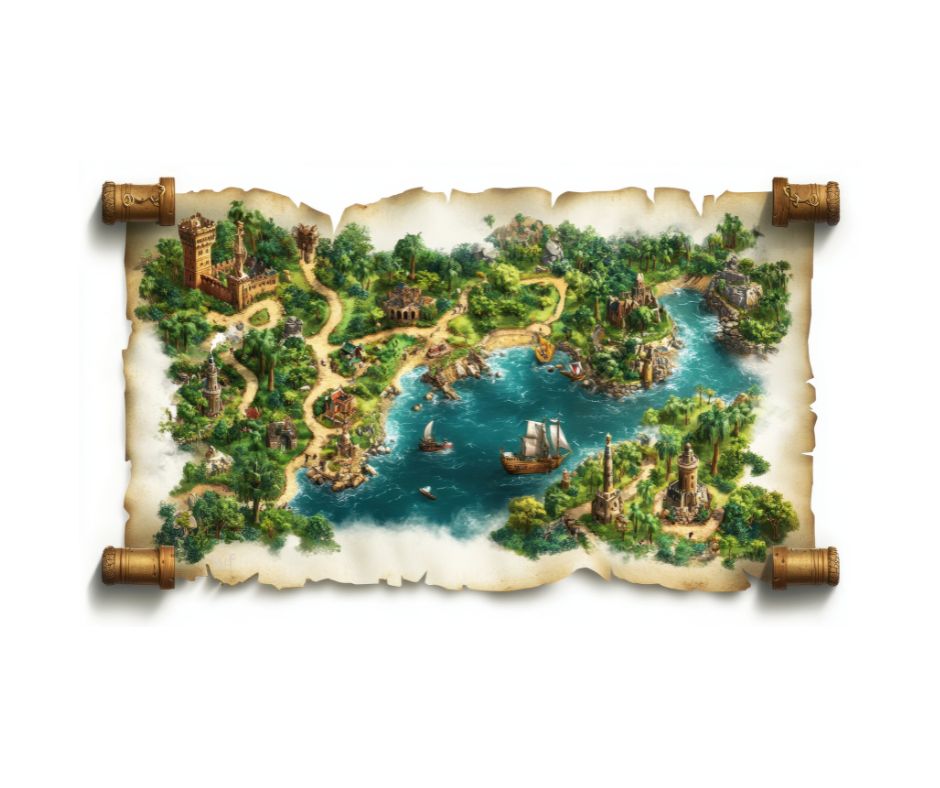
Genesis 2:15 – “Then the Lord God took the man and put him in the garden of Eden to tend and keep it.”
From the very beginning, God entrusted mankind with stewardship of His creation. Adam and Eve were placed in the Garden not merely to enjoy it, but to care for it, cultivate it, and govern it as representatives of God on the earth. Humanity was given the responsibility to tend the land, oversee the animals, and manage all living things.

26 Then God said, “Let Us make man in Our image, according to Our likeness; let them have dominion over the fish of the sea, over the birds of the air, and over the cattle, over all the earth and over every creeping thing that creeps on the earth.” 28 Then God blessed them, and God said to them, “Be fruitful and multiply; fill the earth and subdue it; have dominion over the fish of the sea, over the birds of the air, and over every living thing that moves on the earth.”
This charge goes beyond Eden; it extends to the whole earth, reminding us that we are managers of creation, not owners, and that our stewardship must lead to the flourishing of the world.

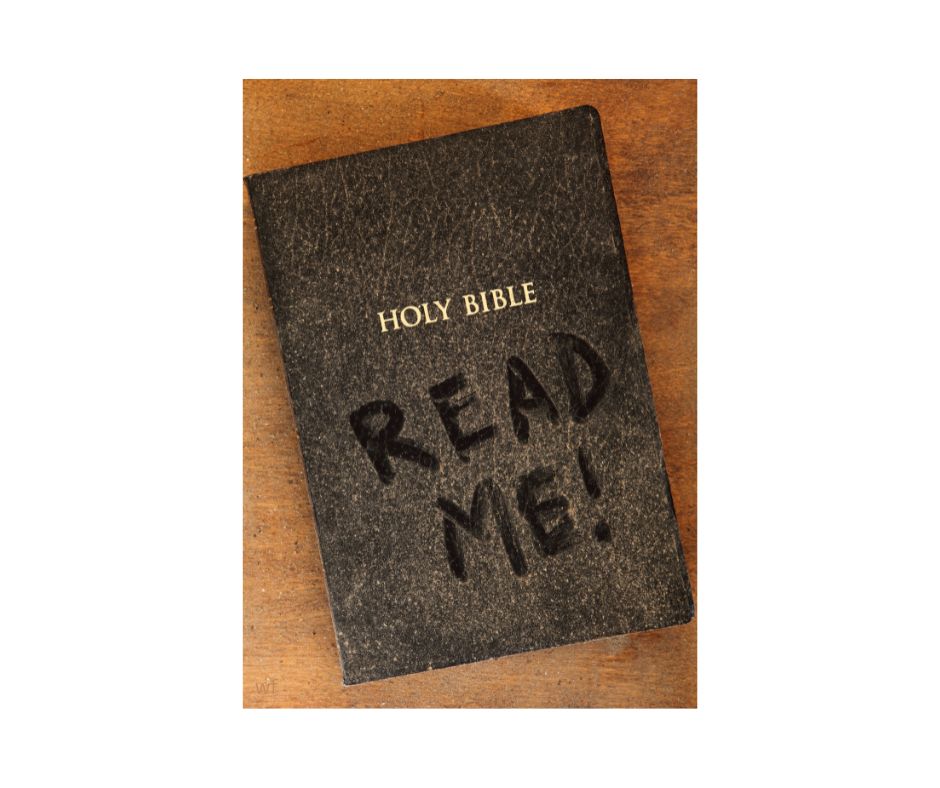
Many mistakenly believe God controls every detail of life. If that were true, the Bible would serve only as a history book rather than as divine instruction. Instead, Scripture provides guidance for how we are to live, rule, and steward the earth according to God’s will. In His wisdom, God has chosen not to micro-manage humanity, but to give us authority and responsibility.
One day, in the Millennium, Jesus will reign alongside every Believer (His Bride – the Church) and demonstrate how we were always intended to rule and govern rightly. Though creation was once perfect, the Fall shifted the weight of responsibility onto believers in Christ. We are expected to fulfill our responsibilities as stewards with care and attention.
Jesus made this clear after His resurrection:
Matthew 28:18 – “All authority has been given to Me in heaven and on earth.”
The Father gave all authority to Jesus, who in turn shares it with those who belong to Him—not simply with those who admire Him, but with those who receive Him as Lord and Savior. Jesus, the Word made flesh (John 1:1–3), never lost authority; instead, He secured it on our behalf. What Adam forfeited, Christ reclaimed. That authority now belongs to the believer.
John 1:1-3, 1” In the beginning was the Word, and the Word was with God, and the Word was God. 2 He was in the beginning with God. 3 All things were made through Him, and without Him nothing was made that was made.”
God, in His sovereignty, created humanity with free will. This freedom comes with responsibility. Dominion is not a license for exploitation, but a call to moral leadership—shaping the earth according to God’s will and purposes. While believers have been granted authority, this never diminishes God’s ultimate power. In His sovereignty, He allows us to participate in His work, which is why we must seek Him in prayer, study His Word, and align ourselves with His will for our lives, communities, and nations. Faith is not passive. It calls us into action—to pray, to stand against the works of the enemy, and to call on God’s will as the answer to the challenges of our day, whether storms, disasters, or spiritual battles.

God has not placed us here as spectators but as participants—lights in the world, bearing His glory and carrying out His instructions. The Bible is our guide, equipping every Believer in Jesus Christ to live as true stewards of Eden.
Moses & Marguerite Wafula